

Best Paddleboards for Heavier Riders Ready to Upgrade
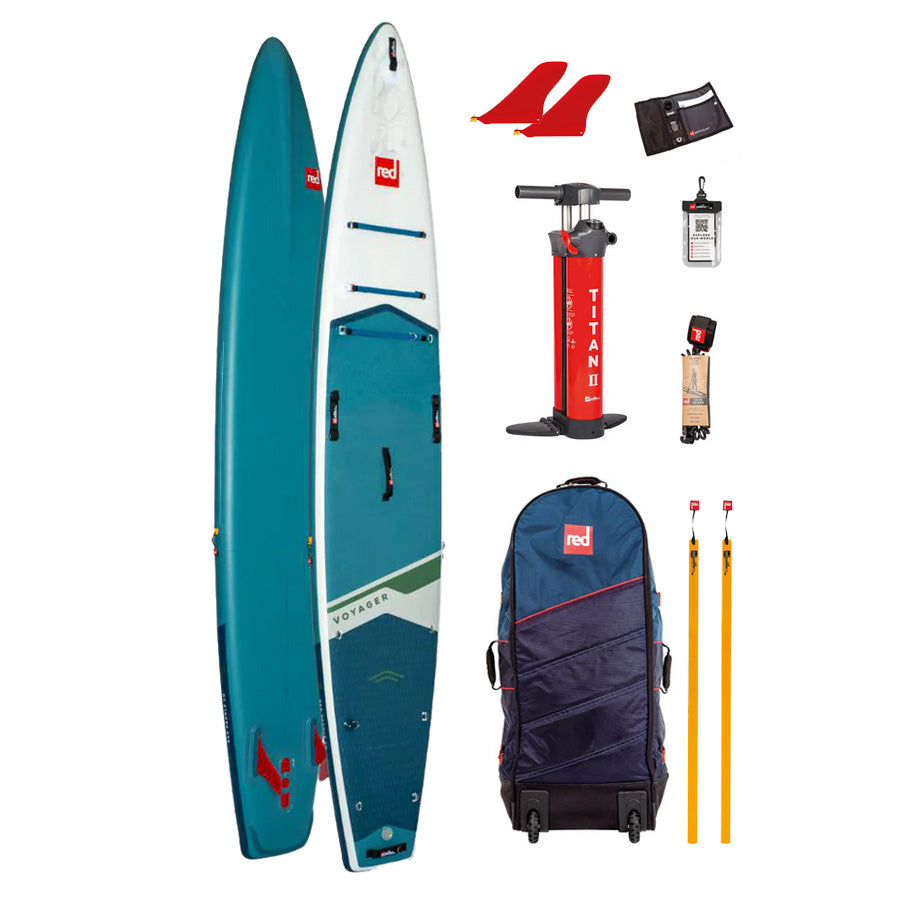
Heavier paddlers are often pushed towards the widest board possible. That is not always the right advice.
The right upgrade for a heavier rider needs enough volume, stiffness, length and shape. A board that is simply wide but soft can still feel slow, unstable and frustrating.
Why trust this advice?
We are not writing this as a brand brochure. The SUP Company is a specialist UK watersports retailer with real shops, real paddlers in the team and the Woodmill SUP Test Centre on sheltered water in Southampton. That means we can help customers feel the difference between board lengths, widths, constructions and paddles rather than asking them to guess from a spec sheet.
The short answer
Heavier riders should prioritise stiffness, volume, length and real-world capacity. A longer touring board with good construction is often better than a short, very wide all-round board.
Signs this topic matters to you
- Your current board bends or bananas under your weight.
- The nose lifts or the board feels slow.
- You want to paddle further but the board feels like hard work.
- You carry kit, paddle with children or want more confidence in chop.
Plain-English buying advice
Rider weight changes how a board sits in the water. If a board is overloaded or too soft, the waterline becomes inefficient and the board can feel unstable even when it looks wide enough on paper.
Length helps because it spreads load and improves glide. Stiffness helps because the board holds its shape. Width helps with stability, but too much width adds drag and can make the board feel sluggish.
For many heavier progressing paddlers, the right answer is a 12’6 or 14’ touring board with good construction, not another 10’6 budget all-rounder.
What heavier riders should prioritise
| Priority | Why it matters | What to look for |
|---|---|---|
| Stiffness | Stops the board flexing and wasting energy. | Premium construction, quality rails and correct pressure. |
| Volume/capacity | Keeps the board sitting properly in the water. | Realistic rider weight range, not just maximum load claims. |
| Length | Improves glide and load distribution. | Often 12’6 to 14’ for regular adult touring. |
| Width | Adds stability. | Enough to relax, not so much that the board becomes slow. |
| Fin system | Improves tracking. | A proper fin box and suitable touring fin. |
Strong upgrade options
The Red Paddle Co 14’ Voyager Future Series is a strong choice for bigger riders who want touring stability, glide and capacity. It is built around confident distance paddling rather than short all-round use.
The Starboard Touring Deluxe Double Chamber is another useful option where stiffness and touring shape are priorities.
If you want a closer look, this SUP Company video is worth watching alongside the guide:
When to consider a hard board
If storage and transport are realistic, bigger paddlers should also look at the composite paddleboard collection. A hard touring board can give better momentum and a more connected feel, particularly in chop.
Recommendations by paddler type
Best first upgrade for a heavier paddler
A quality 12’6 touring inflatable if you want practical storage and better glide.
Best for bigger riders carrying kit
A 14’ touring board such as the Red Paddle Co 14’ Voyager Future Series.
Best for performance feel
A suitable hard composite touring SUP if you can store and transport it.
UK paddling notes
For UK paddling, think about wind, tide, chop, launch points and how far you need to carry the board. A board that feels fine for ten minutes on flat water can feel very different on an estuary, canal, harbour or coastal route with a breeze on the way home.
Try before you buy at Woodmill
If you are unsure, the best next step is simple: book a session at the Woodmill SUP Test Centre. Bring your current board details, your weight, where you paddle and what you want the new board to do better. We can then narrow the choice properly and, where suitable demo kit is available, let you compare boards and paddles on the water.

Finance and delivery reassurance
Finance options are available on qualifying orders, which can be useful when investing in a complete setup. Availability, delivery times and finance approval can vary, so contact the team if timing matters.
FAQs
What paddleboard size is best for heavier riders?
It depends on weight, ability and use, but many heavier progressing paddlers should look at 12’6 to 14’ boards with strong construction.
Is a wider board always better for heavy paddlers?
No. Width helps stability, but stiffness, volume and length are just as important.
Why does my board bend in the middle?
It may be under-built for your weight, under-inflated, or simply a lower-stiffness construction.
Should heavier riders choose inflatable or hard boards?
Both can work. Premium inflatables are practical; hard boards offer the best performance feel if storage is possible.
Can Woodmill help with heavier-rider board choice?
Yes. Testing is especially useful because weight, balance and conditions affect board choice.
Need help choosing?
Browse our paddleboard range, look at the touring paddleboards, or reply with your current board, weight and where you paddle. We will help narrow it down.