

Paddleboard Length Explained: 10'6 vs 11'6 vs 12'6 vs 14'
Length is one of the simplest paddleboard measurements to see, but one of the easiest to misunderstand.
A longer board is not automatically harder. In many cases, once you can stand and paddle confidently, a longer board actually feels easier because it glides further, tracks straighter and carries speed with less effort.
Why trust this advice?
We are not writing this as a brand brochure. The SUP Company is a specialist UK watersports retailer with real shops, real paddlers in the team and the Woodmill SUP Test Centre on sheltered water in Southampton. That means we can help customers feel the difference between board lengths, widths, constructions and paddles rather than asking them to guess from a spec sheet.
The short answer
A 10'6 is usually a beginner all-round size. An 11'3 to 12'6 board is often the best first upgrade. A 14' board suits longer distances, fitness paddling, heavier riders and paddlers who want maximum glide.
Signs this topic matters to you
- You want to cover more distance without working harder.
- Your board feels like it stops between strokes.
- You are paddling with people on longer boards and struggling to keep pace.
- You want better tracking on canals, rivers, estuaries or sheltered coastal routes.
Plain-English buying advice
The easiest way to think about length is waterline. The more clean waterline a board has, the more efficiently it can move forwards. That is why touring and race boards are longer than general all-round boards.
A shorter board turns more easily and is simple to manage close to the beach, but it usually needs more strokes to cover the same distance. That is fine for casual paddling, but less useful once you start exploring.
A longer board does need more space to turn and more thought when carrying or storing it. But on the water, many paddlers are surprised by how calm and efficient a longer touring board feels.
What different SUP lengths are best for
| Board length | Typical use | Upgrade notes |
|---|---|---|
| 10'6 | General all-round paddling, first boards, short sessions | Great starting point, but often slow once you want distance. |
| 11'0 to 11'6 | Sportier all-round and first upgrade boards | A useful step up for glide while staying easy to manage. |
| 12'6 | Touring, fitness, longer flat-water routes | Often the best all-round touring length for UK paddlers. |
| 14'0 | Maximum glide, bigger paddlers, open water, longer touring | Faster and more efficient, but needs storage and carrying consideration. |
When an 11'3 or 11'6 board makes sense
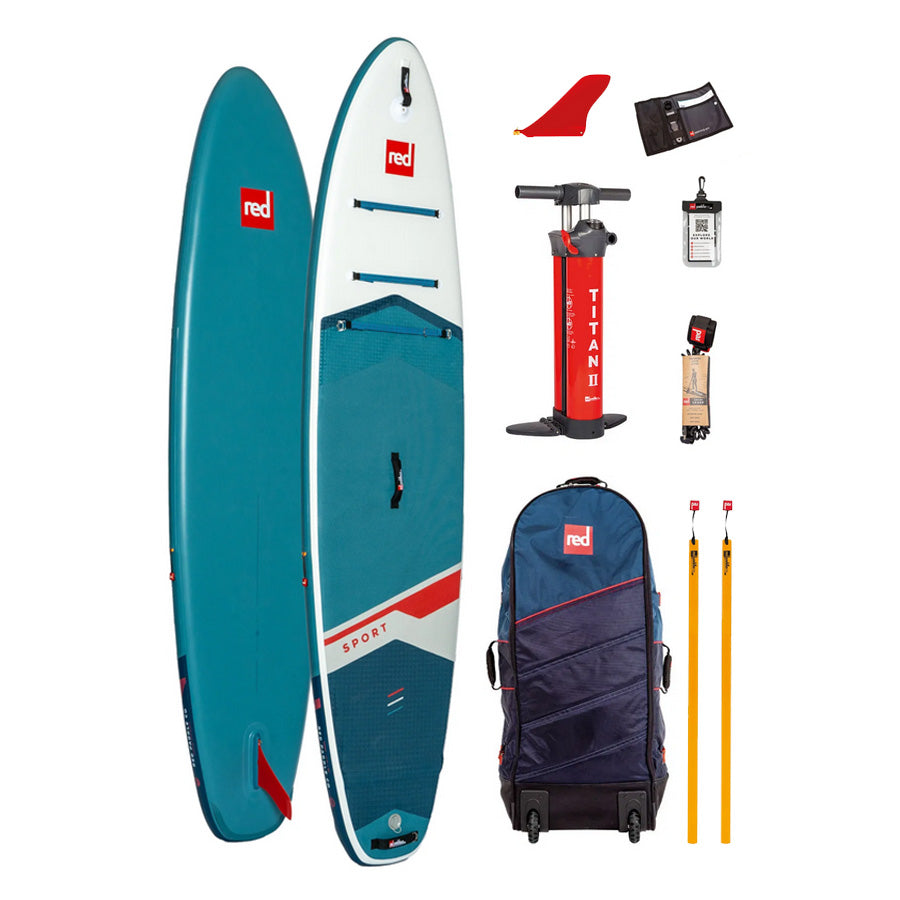
A board such as the Red Paddle Co 11’3 Sport Future Series suits paddlers who like the easy feel of an all-round board but want better forward movement. It is a sensible upgrade if you still paddle mixed conditions and do not want to commit to a full touring length.
If you want a closer look, this SUP Company video is worth watching alongside the guide:
When a 12'6 board makes sense
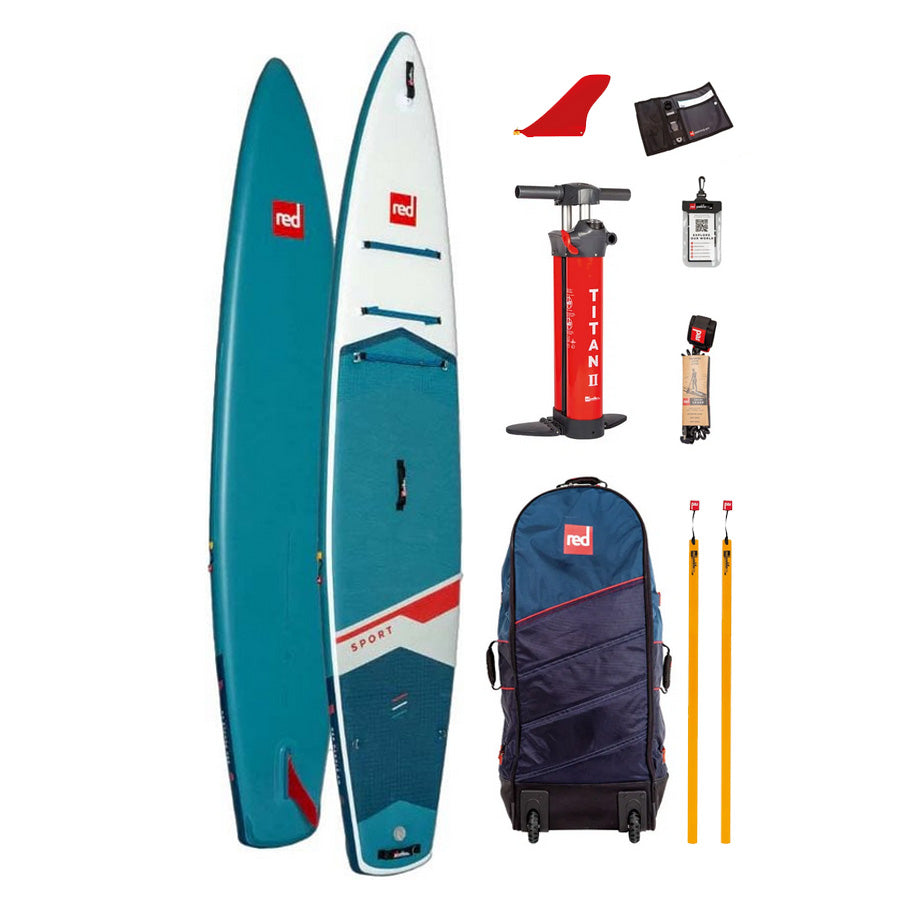
A 12’6 touring or sport touring board is one of the safest upgrade recommendations for regular UK paddlers. It gives meaningful extra glide without becoming a specialist race board. Browse our 12’6 touring paddleboards if your main aim is distance, tracking and efficiency.
If you want a closer look, this SUP Company video is worth watching alongside the guide:
When a 14' board makes sense
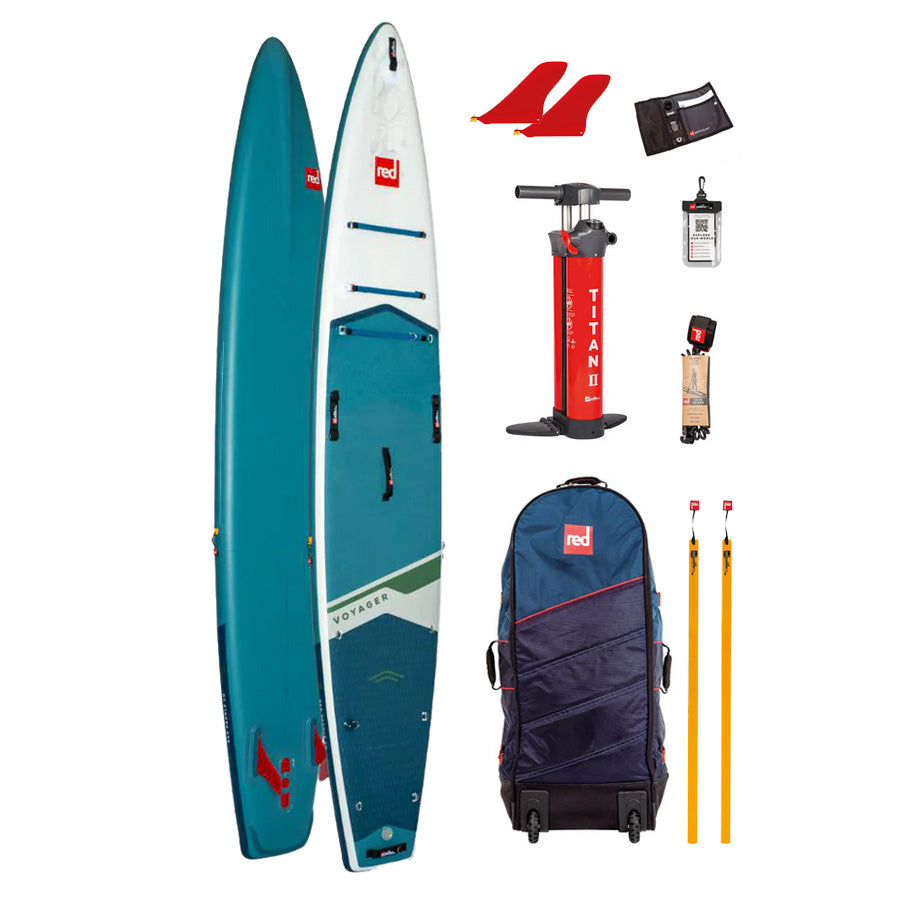
Choose 14’ if you want the strongest glide, carry more kit, paddle longer coastal or estuary routes, or are a heavier paddler who wants the board to sit properly in the water. The Red Paddle Co 14’ Voyager Future Series is a good example of a confidence-building 14’ inflatable touring board.
If you want a closer look, this SUP Company video is worth watching alongside the guide:
Recommendations by paddler type
Best first upgrade from a 10’6
Red Paddle Co 11’3 Sport if you want friendly handling; Red Paddle Co 12’6 Sport if you already want longer routes.
Best for distance paddling
Look at the touring paddleboard collection around 12’6 to 14’ depending on rider weight, kit load and storage.
Best for trying before deciding
Book Woodmill and compare an all-rounder, a 12’6 and a 14’ where suitable demo boards are available. The difference is much easier to feel than describe.
UK paddling notes
For UK paddling, think about wind, tide, chop, launch points and how far you need to carry the board. A board that feels fine for ten minutes on flat water can feel very different on an estuary, canal, harbour or coastal route with a breeze on the way home.
Try before you buy at Woodmill
If you are unsure, the best next step is simple: book a session at the Woodmill SUP Test Centre. Bring your current board details, your weight, where you paddle and what you want the new board to do better. We can then narrow the choice properly and, where suitable demo kit is available, let you compare boards and paddles on the water.

Finance and delivery reassurance
Finance options are available on qualifying orders, which can be useful when investing in a complete setup. Availability, delivery times and finance approval can vary, so contact the team if timing matters.
FAQs
Is a longer paddleboard more stable?
Not always, but length can add fore-aft stability and glide. Width, volume, thickness and construction also matter.
Is 12’6 too long for a beginner?
For a complete beginner, usually start wider and simpler. For a progressing paddler, 12’6 can be an excellent next step.
Is a 14’ SUP only for racing?
No. Many 14’ boards are touring boards rather than race boards. They suit glide, longer trips and bigger paddlers.
Will a longer inflatable be harder to store?
Yes, the bag may be larger and the board takes more time to handle, but it is still far easier to store than a 14’ hard board.
Can I demo different lengths?
Yes. Woodmill is ideal for comparing board lengths on sheltered water before buying.
Need help choosing?
Browse our paddleboard range, look at the touring paddleboards, or reply with your current board, weight and where you paddle. We will help narrow it down.